The Algorithm Doesn't Know You Exist — Here's Why That's a Gift
At some point in the last decade, the music industry handed the keys to a machine. And the machine, to its credit, is very good at what it does. It surfaces familiar sounds. It keeps listeners in their lane. It serves up the audio equivalent of comfort food — reliably pleasant, reliably unsurprising, reliably forgotten by the time the next track starts.
For artists who fit the formula, this is great news. For everyone else, it's been a slow-motion wall.
But here's the thing about walls: they force creativity. And the artists who've been pushed to the outside of algorithmic favor are building some of the most genuinely interesting music being made right now — precisely because they had no other option.
How the Formula Gets Built
Streaming algorithms aren't mysterious. They're pattern-recognition systems, and they're trained on data from what's already worked. High skip rates tell the system a song isn't connecting. High save rates and playlist adds signal the opposite. Over time, the algorithm develops a very clear picture of what a "successful" song looks and sounds like — its tempo, its structure, how quickly the hook arrives, how much sonic space it leaves (not much, usually).
Artists who want algorithmic placement learn to optimize for these signals. Songs get shorter. Intros get compressed. The dynamic range narrows. Everything edges toward the center of what the data says works.
The result is a streaming landscape where a surprising amount of music sounds like it was built by the same invisible committee. Not because artists lack originality, but because the incentive structure actively discourages it.
The Bern Problem — Which Is Actually a Bern Advantage
For an artist coming out of a smaller market — say, Bern, Switzerland — the algorithmic path is even more complicated. The recommendation systems are heavily weighted toward English-language content, toward artists with existing US and UK streaming numbers, toward sounds that already have algorithmic momentum behind them.
An artist from Bern making music that reflects Alpine textures, multilingual influences, and production sensibilities shaped by a culture that values craft over immediacy? The algorithm doesn't have a great bucket for that. It doesn't know where to put it. So often, it just... doesn't.
For a long time, this looked like a disadvantage. Increasingly, it looks like the opposite.
Because the listeners who do find music outside the algorithmic mainstream — and there are more of them than the streaming dashboards suggest — aren't passive consumers. They're active seekers. They're the people who dig into Bandcamp rabbit holes at midnight, who share SoundCloud links in Discord servers, who actually read liner notes and follow artists across platforms. They're not the biggest audience. But they're the most engaged one.
The Platforms the Algorithm Forgot
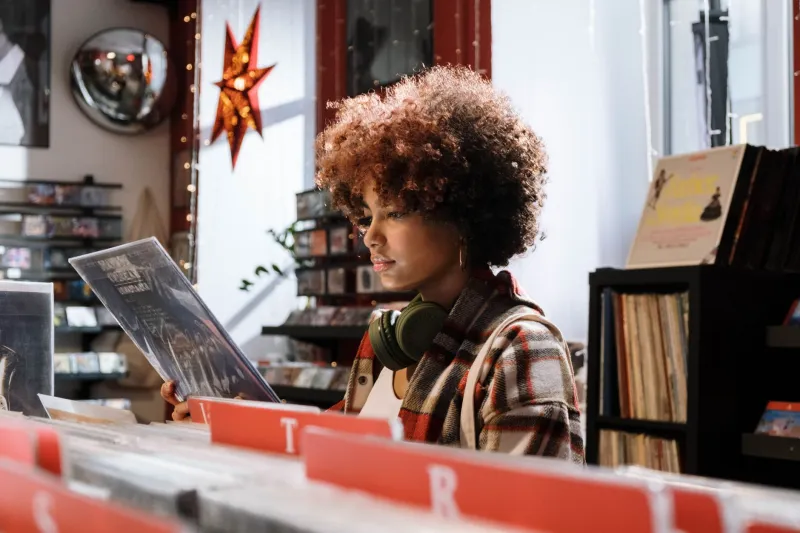
Bandcamp remains the most artist-favorable major platform in the ecosystem, and it operates almost entirely outside the recommendation-loop economy. Discovery there happens through genre tags, editorial features, and word of mouth — which means it rewards artists who are genuinely interesting, not just algorithmically optimized.
Substack and newsletter culture have created a parallel lane for artists who want to communicate directly with listeners without a platform intermediary deciding who sees what. Some of the most compelling artist-to-audience communication happening right now is in plain-text emails, not Instagram stories.
YouTube, for all its algorithm-driven quirks, still has a long-tail discovery culture that rewards deep content — live sessions, studio footage, process videos — in ways that short-form platforms don't. An artist who documents their work honestly and consistently can build a real audience there without a single playlisting win.
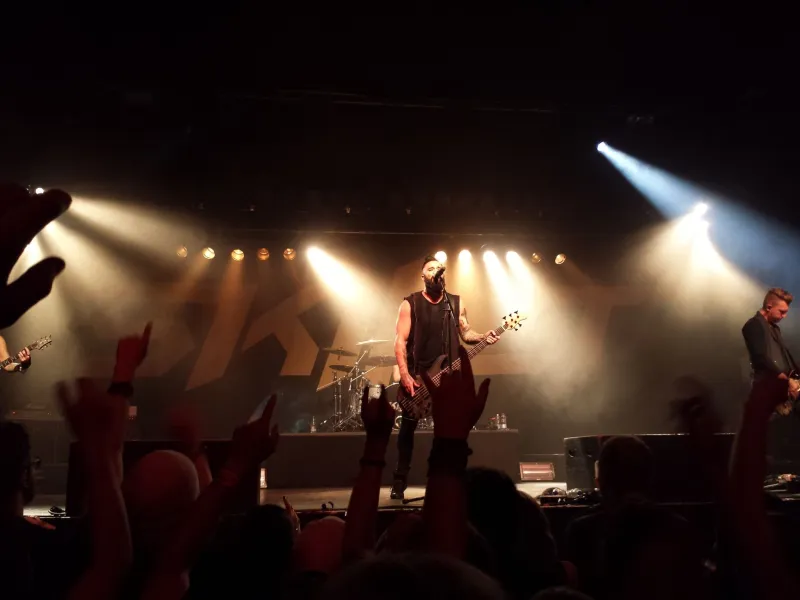
And then there's live performance, which no algorithm has figured out how to replicate. A room full of people having a shared experience with music they've never heard before is still one of the most powerful discovery mechanisms in existence. It always has been.
What "Unfiltered" Actually Means
There's a word that gets thrown around a lot in conversations about independent music: authentic. It's gotten so overused it's practically meaningless at this point. But the underlying idea — that there's a difference between music made to satisfy a system and music made to express something real — is still worth taking seriously.
When an artist isn't chasing algorithmic placement, they make different choices. They might let a song be three seconds longer than a platform's skip-rate data would recommend. They might not rush the intro. They might make something that takes three or four listens to fully open up, because they trust their audience to show up for it.
That trust is increasingly rare. And listeners who've been fed a diet of algorithmically optimized content for years are starting to feel the absence of it. There's a reason "slow music" and "deep listening" and long-form ambient records have found real audiences recently — not because the algorithm surfaced them, but in spite of it.
The Good News, Specifically
Here's the actual good news, stated plainly: the algorithmic gatekeepers are very good at controlling the center of the market. They're not particularly good at controlling the edges. And the edges are where the most interesting things are happening.
If you're an independent artist who can't get playlisted, you're not locked out of having an audience. You're just pointed toward a different one — a smaller, more committed, more genuinely curious audience that found you specifically because the algorithm didn't lead them to you.
That's not a consolation prize. That's a different kind of win. And for artists who understand what they're building and who they're building it for, it might actually be the better one.