They Booked the Flight for the Music, Not the Museums
The Ticket Wasn't for a Tourist Attraction
Something shifted in the last few years. You can feel it in the travel forums, in the Reddit threads about Vienna's Musikverein, in the Instagram posts from Americans who flew to Amsterdam or Zurich or Bern and came back talking less about the food and more about a Tuesday night chamber concert in a room that held maybe two hundred people.
They didn't go for the sights. They went for the sound.
Call it a music pilgrimage if you want — the term is starting to stick. A growing number of US listeners are deliberately building trips around live music experiences that simply don't exist back home in the same form. Not festivals headlined by legacy acts. Not stadium shows with floor seats and $18 beers. Something quieter, older, and — if you ask the people who've made the trip — almost impossibly more alive.
What European Concert Culture Actually Feels Like
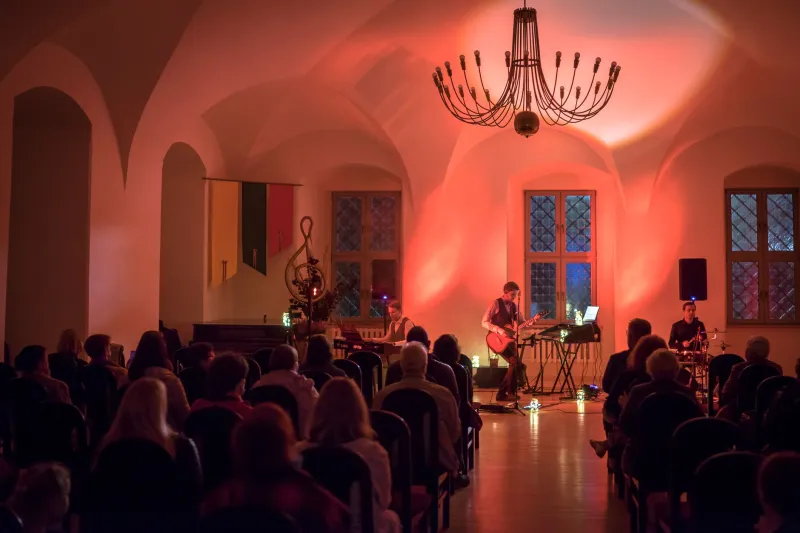
If you've only ever experienced live music through the American arena model, the contrast can be genuinely disorienting. Walk into a mid-sized concert hall in Switzerland or Germany and the first thing you notice is the architecture. These rooms were designed to carry sound, not just contain it. The ceilings are high. The walls are curved or paneled in ways that took engineers years to calculate. The acoustics aren't an afterthought — they're the entire point.
But it's not just the buildings. It's the people inside them.
European concert audiences, broadly speaking, show up differently. There's a cultural expectation of presence — of actually listening rather than narrating the experience through a phone screen. Applause lands in specific places. Silence lands in others. The relationship between performer and audience feels reciprocal in a way that's hard to articulate until you've felt it from both sides of the stage.
American travelers who've made these trips describe the experience with a kind of reverence that surprises even themselves. "I didn't expect to cry at a jazz set in a basement in Bern," one listener wrote in a travel forum last year. "But the room was so quiet, and the musicians were so inside the music, that there was nowhere else to go."
Why the Arena Model Leaves People Hungry
This isn't a knock on scale. There's nothing wrong with a massive show — the energy of fifty thousand people sharing a single moment is its own kind of extraordinary. But the arena model was built around spectacle first and sound second. The production is engineered for impact, not intimacy. The artist is often a figure on a screen more than a person in a room.
For a lot of American fans, that model has quietly started to feel hollow. Not every time, but enough times that they notice the absence of something they can't quite name.
What they're often missing is the sensation of music landing in a space that was built to receive it — and of being in an audience that arrived ready to receive it too. When those two things align, something happens that no streaming platform, no home theater system, no matter how expensive, can replicate. It's physical. It's communal. It requires you to be actually present.
Europe, for various historical and cultural reasons, has preserved that experience in ways the US largely hasn't. Concert halls in cities like Bern, Vienna, and Leipzig have been maintained and refined over generations. The culture of serious listening — of treating a live performance as an event that deserves your full attention — runs deep.
The Pilgrimage Is Also a Search
There's something worth sitting with here. When Americans fly to Europe specifically to hear music the way it was meant to sound, they're not just chasing novelty. They're chasing something they sense is missing at home — and that hunger is real and telling.
It says that the commodification of live music in the US has left a gap. Ticket prices that price out casual fans. Venues optimized for revenue per square foot rather than acoustic quality. A culture that increasingly treats concerts as content opportunities rather than listening experiences. All of it adds up to a slow erosion of something that used to feel essential.
The music pilgrimage is, in part, a protest. A vote with a passport.
And it's not just classical or jazz. American fans are making these trips for indie artists, electronic producers, folk musicians — anyone performing in rooms that take the listening seriously. The genre matters less than the context. What people are seeking is an environment where the music gets to be the whole thing, not the backdrop to something else.
What Bern Sounds Like at Night
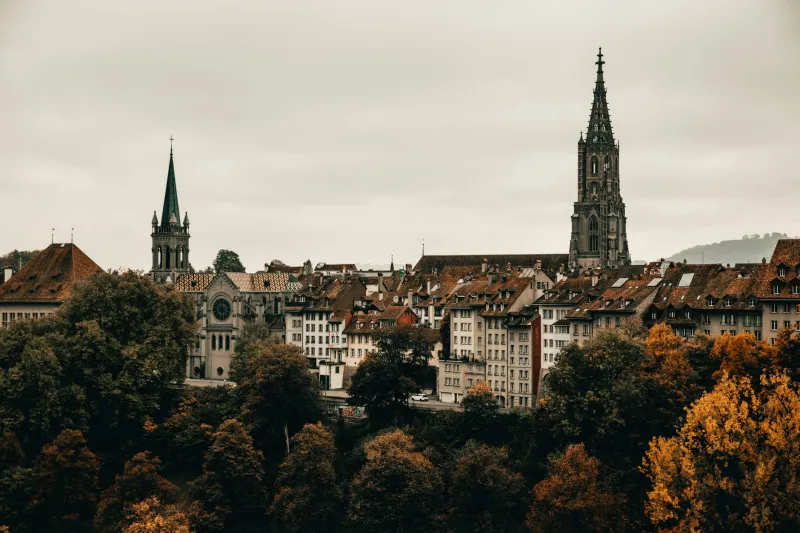
I think about this often from where I sit — a city that doesn't always make the top of anyone's travel list but has a musical life that rewards the curious. Bern is not flashy. It doesn't announce itself. But on any given evening, in any number of intimate venues tucked into the old town or along the river, something is happening that would stop a careful listener cold.
The Alpine geography plays into it. There's a quality to the air, to the natural acoustics of stone and altitude, that shows up in the music made here and in the way it's heard. It's hard to explain to someone who hasn't stood in it. But travelers who've passed through often say the same thing: the sound here has weight.
That's what people are flying toward. Not a postcard. Not a bucket list item. Weight.
Bringing Something Back
The interesting question isn't just why Americans are making these trips — it's what they bring home. Because the hunger doesn't disappear when the plane lands back in JFK or LAX. If anything, it sharpens.
Some come back and start hunting for smaller venues in their own cities. Some become more deliberate about what they stream and how they listen. Some start advocating for the kind of acoustic care and audience culture they experienced abroad. The pilgrimage changes the ear, and a changed ear changes what you're willing to settle for.
That might be the most important part of this whole trend. Not the trips themselves, but the standard they set. Once you've heard music in a room that was built to honor it, surrounded by people who showed up to truly listen, the bar moves. It doesn't go back down.
And maybe that's exactly the kind of pressure American music culture needs right now.