The Map Has It Wrong: Why the World's Most Emotionally Alive Music Is Coming From Cities You've Never Googled
The Map Has It Wrong: Why the World's Most Emotionally Alive Music Is Coming From Cities You've Never Googled
Here's something worth sitting with: the last piece of music that actually stopped you in your tracks — that made you pull out one earbud and stare at the ceiling for a second — probably wasn't from a major label. It probably wasn't from Los Angeles or Nashville. And there's a decent chance you stumbled on it by accident, through a playlist rabbit hole or a recommendation from a friend who "listens to weird stuff."
That's not a coincidence. That's geography doing what algorithms can't.
Why Big Markets Produce Polished, Safe Music
When you make music inside a major industry hub, you're constantly swimming in signals. What's charting. What's getting synced. What a certain A&R rep responded to last quarter. Even the most independent-minded artist absorbs those signals whether they want to or not — it's the water they're drinking.
The result is music that's often technically excellent and emotionally... approximate. It gestures toward a feeling rather than actually living inside one. The rough edges get sanded down. The weird structural choice gets replaced with a more familiar arc. The lyric that was too specific — too true — gets softened into something more relatable, which usually means less real.
This isn't a knock on the artists. It's a knock on the environment. Proximity to industry creates a gravitational pull toward the center, and the center is always a compromise.
What Happens When Nobody's Watching
Now consider what it's like to make music in Bern. Or Reykjavik. Or Tbilisi, Georgia. Or Ulaanbaatar, or Porto, or any number of cities that don't have a "scene" in the way Brooklyn or Silver Lake does.
You're not being watched. There's no tastemaker infrastructure waiting to validate or dismiss you. The local audience might be small, which means you're not chasing numbers — you're just making the thing. And when the thing is the only goal, something interesting happens: the music starts to reflect an interior life rather than an exterior market.
Artists from these places tend to write from a specificity that's almost uncomfortable. A song about a particular street in a particular city at a particular time of year, rendered with the kind of detail that shouldn't translate — but does. Completely. Because specificity is actually the most universal language there is. When someone tells you the exact truth of their experience, you recognize it, even if your experience looks nothing like theirs.
The Bern Effect
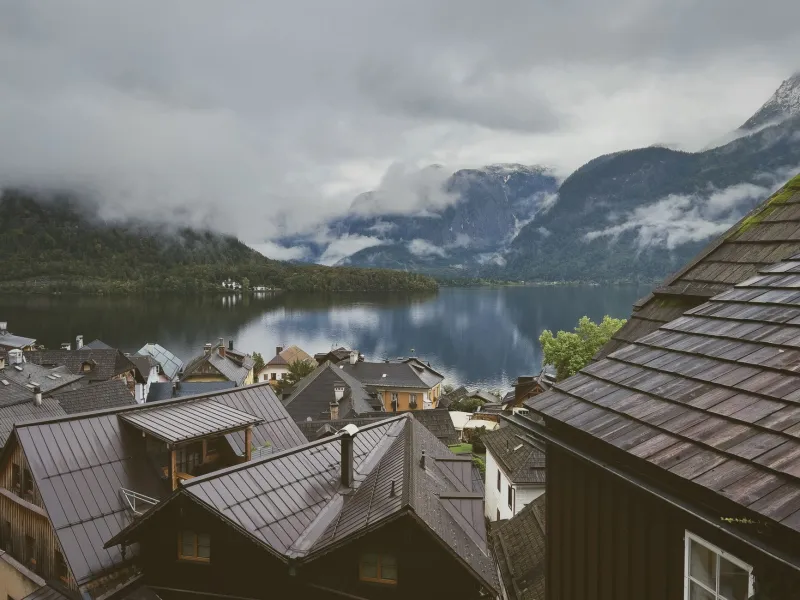
I think about this a lot from my own vantage point. Bern is not a small city in the way people sometimes assume — it's the Swiss capital, it has culture and history and a genuine creative community. But it's also not Berlin. It's not London. The music industry doesn't have a Swiss bureau waiting to sign the next big thing out of the Bernese Oberland.
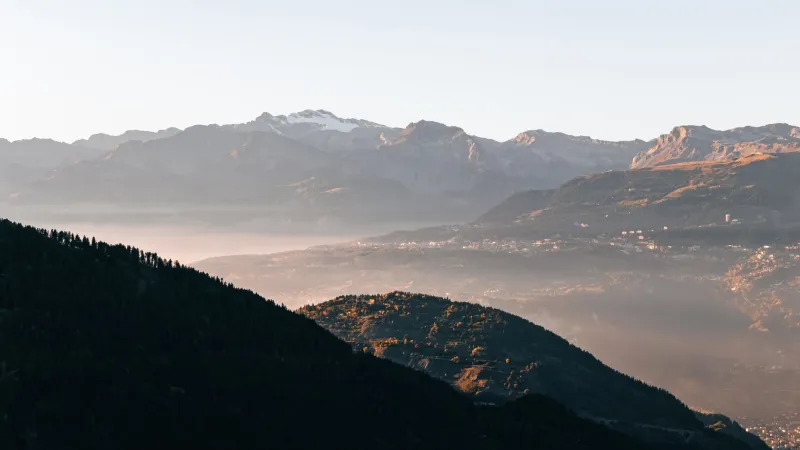
And honestly? That's a gift. It means the artists here — myself included — are building something because it demands to be built, not because someone told us there was a lane for it. The Alps are literally in the background. The pace is different. The relationship to sound, to silence, to what a song is supposed to do — all of it gets shaped by a context that has nothing to do with what's trending on a Friday release cycle.
That's not nostalgia or romanticism. It's just what happens when your environment isn't optimized for the music industry.
Reykjavik, Tbilisi, and the Quiet Revolution Nobody's Covering
Iceland has been punching above its weight musically for decades — Björk is the obvious reference, but the ecosystem she came from has kept producing artists with that same refusal to be legible by conventional standards. Reykjavik has a population smaller than Lexington, Kentucky. It also has a musical culture that's produced some of the most emotionally disorienting and beautiful work of the last thirty years.
Tbilisi is newer to the global conversation, but Georgian artists — particularly in electronic music and experimental composition — are doing something that doesn't have a clean Western genre label. It's rooted in a musical tradition that's genuinely ancient, filtered through a post-Soviet urban experience, and coming out the other side as something that sounds like nothing else on earth.
These aren't curiosities. These are artists making work with the full weight of their actual lives behind it. The emotion isn't performed — it's structural. It's in the bones of the music.
How Americans Discover Music (And Why That Needs to Change)
The average American music listener still relies heavily on algorithmic playlists, editorial features from a handful of major outlets, and whatever gets synced to a TV show they're watching. That's not a criticism — it's just the reality of a media landscape that's been consolidated to the point where the same few tastemakers are deciding what's worth your attention.
The problem is that this system has a built-in bias toward legibility. Music that's easy to categorize, easy to pitch, easy to place in a playlist next to something familiar. Music from small, culturally distinct cities often doesn't fit those parameters — not because it's lesser, but because it's genuinely other. And other is hard to monetize quickly.
So it gets filtered out before it ever reaches you.
The listeners who find it anyway — who go looking in corners the algorithm doesn't know about — tend to describe the experience the same way: like finally hearing something honest. Like the music isn't trying to sell them anything. Like there's a person on the other end of it who just needed to say something true.
A Different Kind of Discovery
What would it look like to actively seek out music from places you've never heard of? Not as an exercise in cultural tourism, but as a genuine reorientation of how you think about where emotional truth lives in music right now.
Start with a city. Look up its music scene. Find the local blogs, the Bandcamp pages, the SoundCloud accounts. Follow the thread. You'll find stuff that doesn't work for you — that's fine, that's part of it. But you'll also, if you stay curious, find something that hits you in a way that the curated stuff rarely does.
Because the artists making music in places the industry hasn't colonized yet are free in a way that's increasingly rare. They're not optimizing. They're not positioning. They're just making the most honest thing they can make, in the only context they have.
And that, more often than not, is exactly what moves people.
The map has it wrong. The most alive music being made right now isn't in the cities with the biggest industry footprints. It's somewhere quieter, somewhere less watched — and it's waiting for you to find it.