Playing It Safe Is Killing American Music — Here's What Deliberate Boldness Actually Looks Like

Playing It Safe Is Killing American Music — Here's What Deliberate Boldness Actually Looks Like
Something has quietly gone wrong in American music. Not in a dramatic, headline-grabbing way — no single moment you can point to and say, there, that's when it happened. It's been more of a slow drift, like a river gradually changing course. You look up one day and realize the landscape looks completely different from where you started.
Spotify playlists optimized for "mood." TikTok sounds engineered for the fifteen-second hook. A&R reps refreshing streaming dashboards instead of walking into sweaty clubs at midnight. The infrastructure of the American music industry has reorganized itself around one central question: what is already working? And in doing so, it has quietly abandoned the only question that ever actually mattered: what hasn't been tried yet?
The Algorithm Didn't Kill Risk — The Industry's Fear Did
Let's be honest about something. The algorithm isn't the villain here. Algorithms reflect behavior — they surface what people are already clicking on, sharing, and saving. The real problem is an industry that decided to use those reflections as a creative blueprint rather than a data point.
When a major label looks at what's trending and reverse-engineers an artist to fit that trend, they're not responding to culture. They're photocopying it. And photocopies degrade with each generation. The third or fourth iteration of a sound that was once thrilling becomes background noise — technically present, emotionally absent.
Think about the moments that genuinely changed American music. Kendrick Lamar releasing To Pimp a Butterfly when the market wanted something far more radio-friendly. Bon Iver disappearing into a Wisconsin cabin and coming back with something that had no obvious commercial logic whatsoever. Beyoncé dropping Lemonade as a visual album with zero warning and even less concern for conventional rollout strategy. These weren't accidents. They were acts of deliberate, disciplined creative courage.
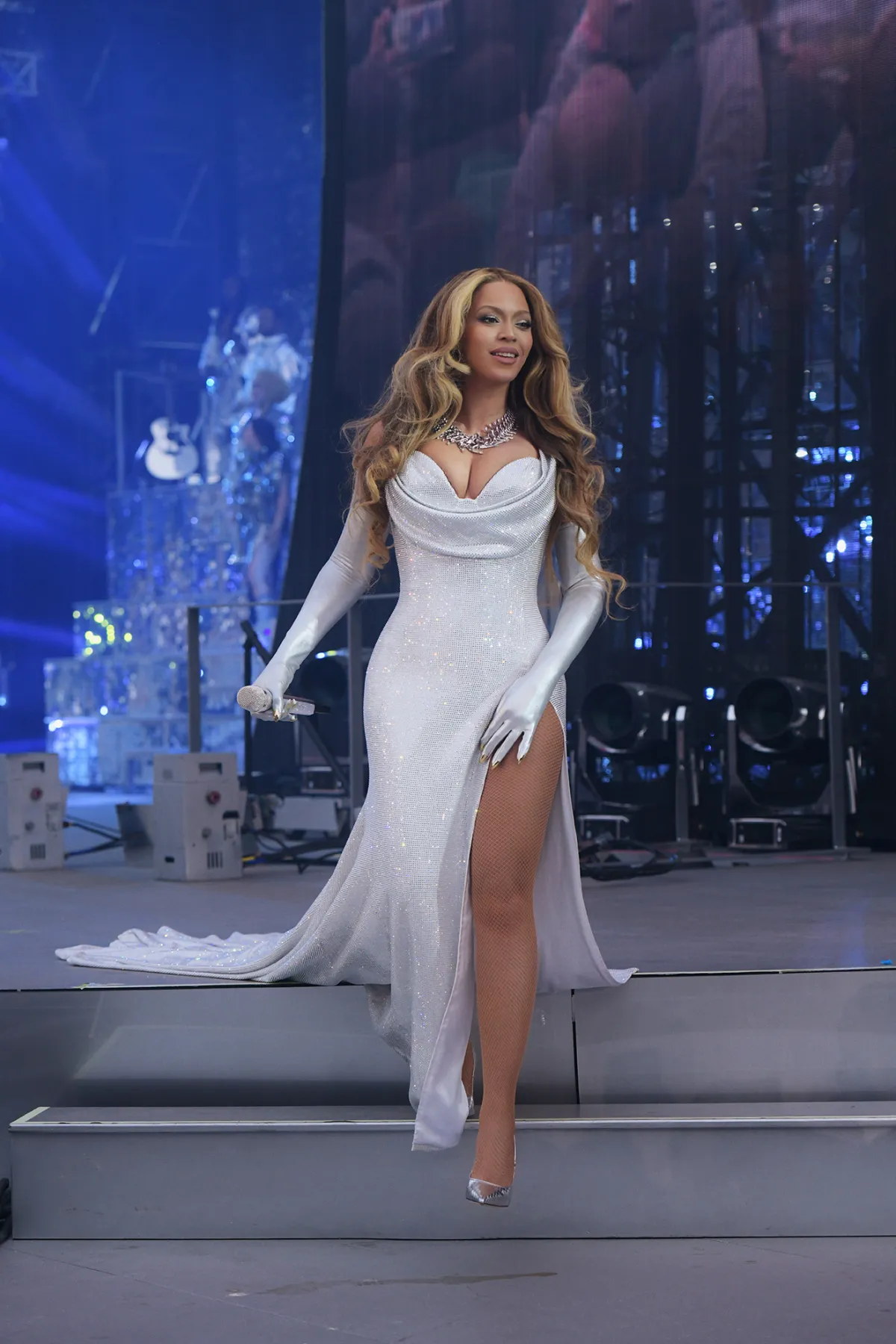 Photo: Beyoncé, via wwd.com
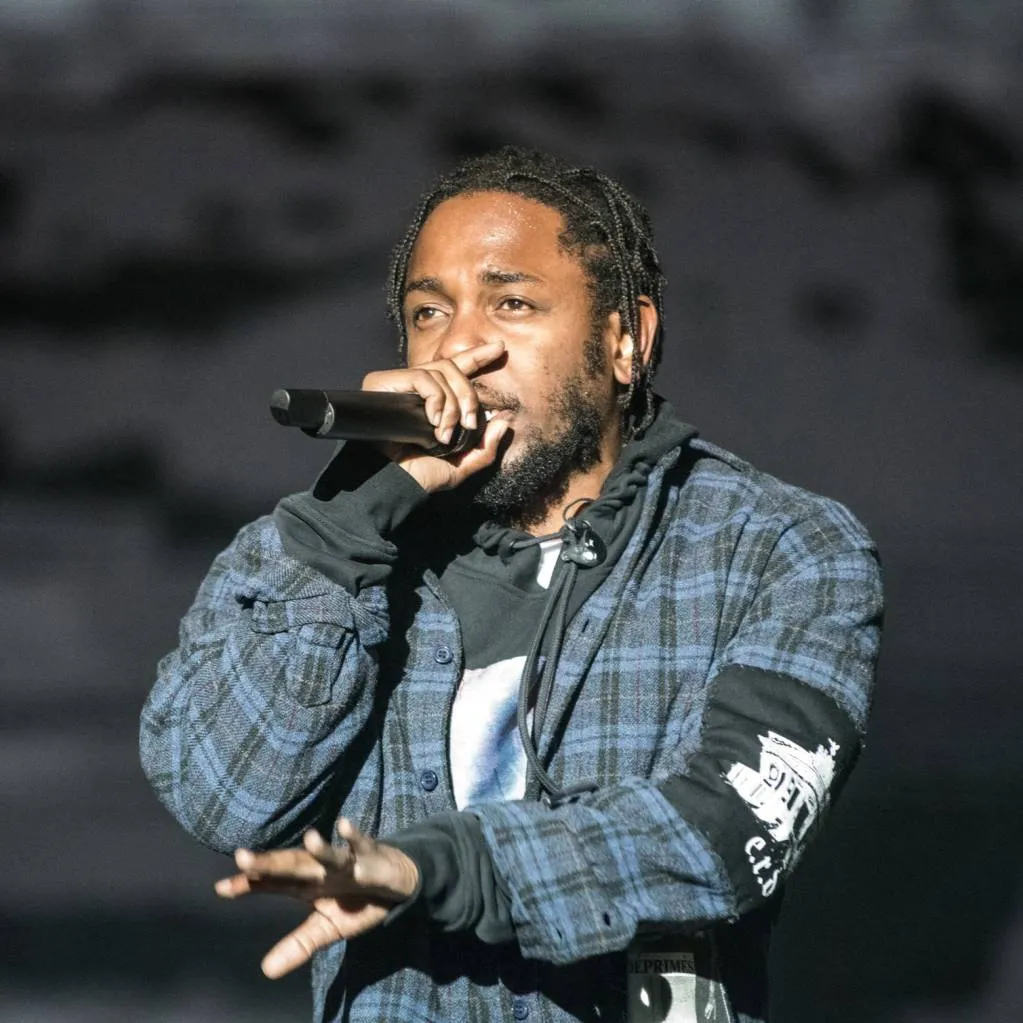 Photo: Kendrick Lamar, via media.koobit.com
And they are increasingly rare.
What Switzerland Taught Me About Doing Things Differently
Growing up in Bern, you absorb certain values without even realizing it. Switzerland isn't famous for being flashy. It's famous for being precise — for caring about the integrity of the thing itself, not just the appearance of it. A Swiss watchmaker doesn't cut corners because no one will notice. They don't cut corners because they will notice, and that matters more.
There's a common misconception that precision and boldness are opposites — that to be daring, you have to be reckless, spontaneous, unfiltered. But Swiss culture quietly dismantles that idea. The boldest moves in Swiss design, architecture, and music come from artists who understood their craft so deeply that they could break the rules with full awareness of what they were breaking and why.
That's a fundamentally different kind of risk than throwing something at the wall and hoping it sticks.
True boldness, the kind that actually shifts culture, is deliberate. It requires you to know the landscape well enough to navigate off the map. It requires patience — the willingness to build something slowly and carefully even when the market is screaming at you to move faster. And it requires a certain indifference to immediate approval that is genuinely hard to maintain in an industry built on real-time metrics.
The Listener's Responsibility
Here's where this gets uncomfortable, because it's easy to point fingers at labels and streaming platforms. But American listeners share some of this responsibility too.
When we stream the same algorithmically curated playlist for the third week in a row without seeking out anything unfamiliar, we are voting with our ears. When we skip past something challenging or unusual after eight seconds because it didn't immediately reward us, we are training the system to serve us less of it. The music industry is extraordinarily good at giving people what they ask for. The question is whether we're asking for the right things.
Some of the most rewarding music I've ever encountered — from jazz improvisers in Basel to electronic composers in Zurich to folk artists in the American Appalachian tradition — required something from me as a listener. It asked me to sit with discomfort for a moment before it opened up. That discomfort wasn't a flaw in the music. It was the door.
When we stop tolerating that door — when we demand that everything be immediately, effortlessly gratifying — we don't just get worse music. We get a generation of artists who stop trying to take us anywhere new.
What Deliberate Boldness Actually Looks Like in Practice
So what does it look like when an artist chooses disciplined courage over market-tested safety? A few things tend to show up consistently.
They know their influences deeply before they subvert them. The artists who make genuinely original work aren't usually the ones who ignored everything that came before. They're the ones who studied it obsessively and then made a conscious choice about where to diverge. Mastery precedes meaningful rebellion.
They protect creative space from commercial pressure. This doesn't mean rejecting commercial success — it means refusing to let commercial considerations drive every creative decision. Some rooms in the house stay closed to the spreadsheet.
They're willing to be misunderstood temporarily. Some of the most important albums in American music history were initially met with confusion or lukewarm reception. The artists who made them had enough conviction in the work to let time do its thing.
They build their own context. Rather than waiting for an industry structure to validate their choices, bold artists create the framework through which their work is understood — through visual language, live performance, direct communication with their audience, or the deliberate pacing of how and when they share their work.
The Invitation
None of this is a call to make music that's intentionally difficult or alienating. Accessibility and originality aren't mutually exclusive — plenty of the most adventurous artists in the world also write melodies that lodge themselves in your brain for days.
But there's a difference between music that's accessible because it's genuinely well-crafted and music that's accessible because it was designed in a lab to trigger the fewest possible objections. One of those things can move you. The other one just... plays.
American music has the raw material for a genuine creative renaissance. The talent is there. The hunger is there, especially in the independent and underground scenes that the algorithm hasn't fully colonized yet. What's needed is a collective willingness — from artists, from labels, from listeners — to accept that the most interesting destination might not be the one with the clearest signage.
From where I'm sitting, in a city built on precision and surrounded by mountains that have never once apologized for being difficult to climb, that sounds less like a risk and more like the only road worth taking.